Many people would complete a discussion on how to feed a bird with just one word: seeds. Perhaps some would sum it up in three words: seeds with pellets.
However, ask any veterinarian who regularly treats sick birds, and you are likely going to get a much more complex answer.
We often think of birds eating seeds, in part, because that is what we put in our bird feeders. Plus, birds like seeds, right?
Let’s take a look at what wild birds eat, and how their diet is different from what you should feed your pet bird.
Why Wild Birds Eat Seeds
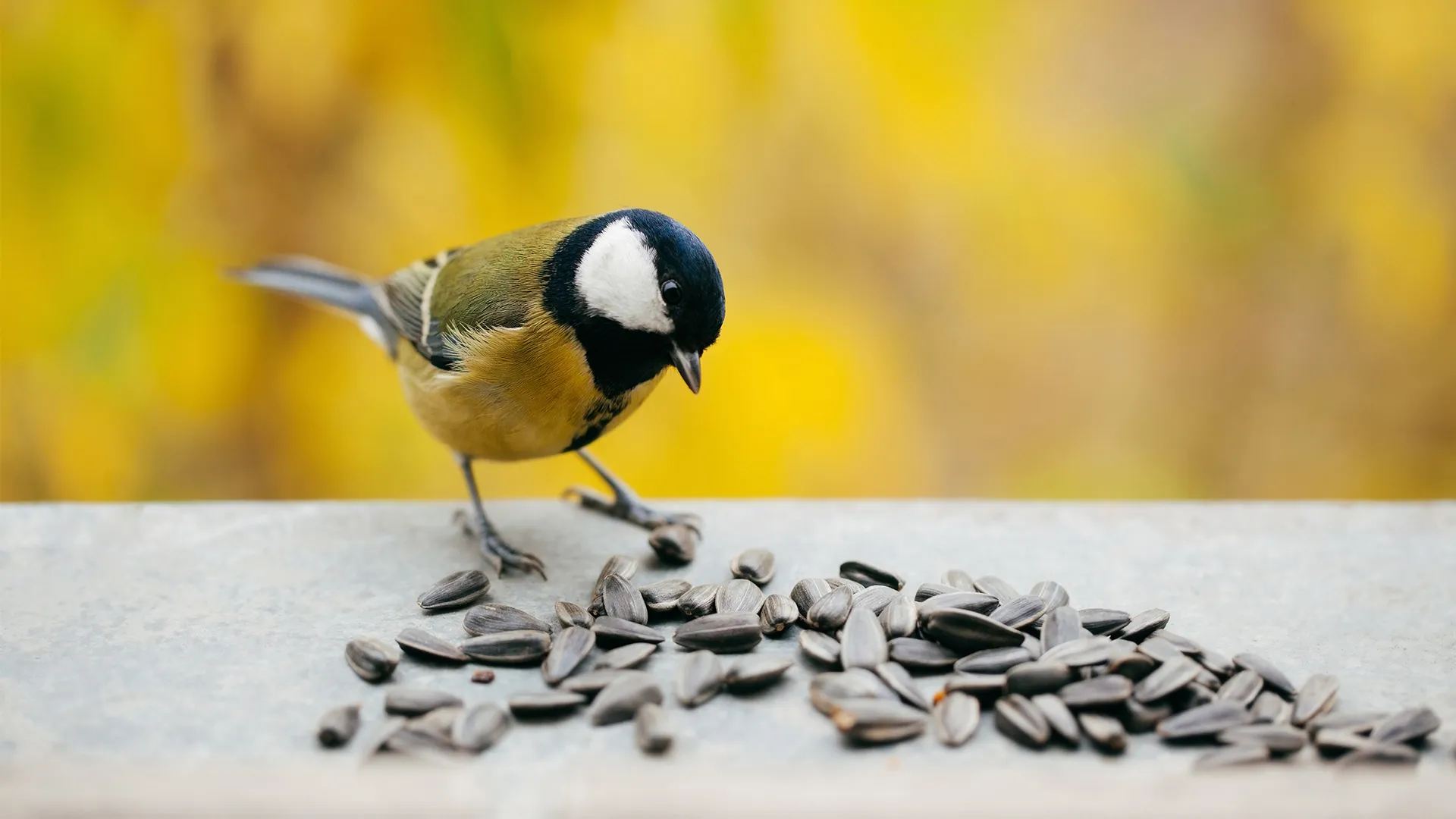
If we think back to our bird feeders, the seeds the wild birds eat actually make up a pretty small portion of their diets. For every seed they take, they have probably eaten 10 or more bugs, moths, spiders or caterpillars. Even in the depth of winter, most wild birds manage to find dormant sources of protein—bugs—available for snacking.
The wild bird food seeds they are taking provide calories—mostly in the form of fat—which they can use to supplement their diet, particularly in the winter when it takes them a lot of calories to stay warm.
But there are millions upon millions of wild birds that have no access to bird feeders at all—or simply choose not to eat seeds. What do those birds do?
Some eat wild seeds—which is a good reason not to clear all of the weeds from your yard or deadhead your flowers late in the fall as winter draws near. But birds are perfectly capable of surviving with few, or even no, seeds at all.
Should You Feed Seeds to Pet Birds?
So why do we fill our bird cages to the brim with seed bird food for our pet birds?
When we boil down the nutrition of a seed, it really is primarily fat and carbohydrates. I tend to think of it as the greasiest, tastiest junk food you can imagine. Many animals, given the choice, will gravitate towards unhealthy fats, and most birds are no different.
Wild birds need that spike of fat and carbohydrates for energy—they have to avoid hawks, spend frigid nights outside, fly miles at a time to find mates and feed growing babies. Our pet birds don’t have these huge energy requirements, so they don’t need so much extra fat.
What Should You Feed a Bird?
I recommend pelleted bird foods. These specially formulated kibbles have all of the nutrients required for birds, mixed into a firm pellet (much like dry dog food and cat food). These formulated diets also prevent your bird from picking out the bits she likes and leaving the rest behind.
There are quite a few brands on the market, with slight differences depending on the species of bird you have and whether you prefer foods without artificial coloring. Some of the major brands include Roudybush, ZuPreem, Kaytee and Harrison's, amongst others. I have fed many of these over the years with success.
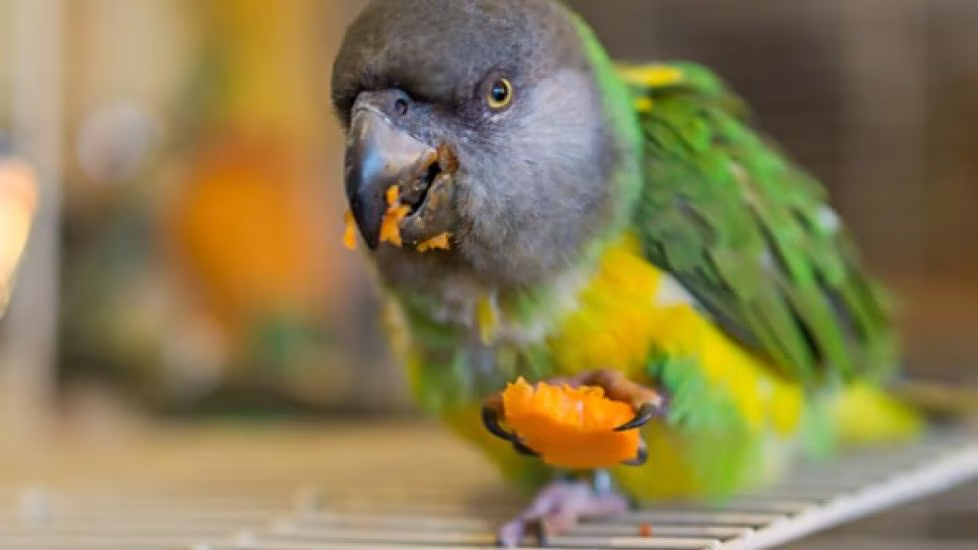
In my house, I also supplement pelleted foods with small amounts of healthy people foods such as eggs, chicken, pasta, vegetables and fruits. You should always discuss any supplementary food items with your veterinarian before adding them to your bird’s diet. They can provide you with the proper portion sizes, but a good rule of thumb is that a daily portion size should likely not exceed the size of your bird’s foot. It should also include something from several food groups: protein, vegetable, fruit and carbs. (Sugar does NOT count as a food group.)
Tips for Transitioning Your Bird to a New Bird Food
You should always consult your veterinarian to make sure the new bird food is right for your pet. Once you have chosen the best food for your pet bird, there are many techniques to transition them from a diet that involves seeds to strictly their new food. One that I recommend for completely healthy birds, particularly younger ones, is the following method:
In the morning, I remove all of the seeds (including sprigs of millet) and every other food from the cage, and leave out the new food I want them to eat. The only food available to the bird is the healthy food. No matter the complaints you are treated to, this is all the bird is offered for the day.
In the evening, when you go to cover the cage and put the bird to bed, you can add a cup with a few tablespoons of the old diet to the cage. If she has fasted all day, she can snack on this overnight.
Most birds, however, are tired and no longer interested in eating the old food by evening. In the morning, however, get up early and remove that food from the cage, and replace it with the new pellets. Repeat this cycle.
Generally, within 30 days, the bird is completely transitioned to the pelleted diet, and you can resort to using the seeds as training or offering them as special treats.
Since this is the time for New Year’s resolutions, this is one you can have for feeding your pet bird. Clean eating helps everyone to live longer. Some species of birds are very prone to heart disease and others develop cancers when fed high-fat diets, so one of the best things you can do to keep your beloved bird healthy is to feed her healthy bird food.
Watch: How to Feed your Pet Bird | A Guide for Seeds, Veggies and Pellets
https://www.youtube.com/watch?v=V-GmLy1exDI
Summary
- Wild-bird diets and pet-bird diets are very different. In the wild, many birds eat seeds plus lots of insects, caterpillars, spiders — protein sources. Seeds are mostly fat & carbs, not a complete diet.
- Seeds alone (common in many pet bird seed mixes) are like a “junk-food” diet for pet birds — high in fat and carbohydrates, but lacking balanced nutrition.
- The recommended staple for most pet birds: pelleted “bird food” (formulated kibble), because it supplies balanced nutrients and prevents birds from picking out only their favorite bits.
- Pellets can be supplemented with small amounts of healthy “people foods”: e.g. cooked eggs, chicken, pasta, vegetables, fruits — but always under vet guidance. A rough guide: daily supplemental foods should not exceed the size of the bird’s foot.
- These supplementary foods should cover multiple food groups: protein, vegetables, fruits, carbohydrates. (Sugary treats don’t count as a needed food group.)
- If your bird has been eating seeds for a long time, there’s a method to transition to
pellets:
- Remove seeds from the cage in the morning and offer only pellets.
- In the evening, optionally offer a small cup of the old seed mix (just a few tablespoons).
- Gradually over ~30 days most birds will accept the pellet diet, and seeds can then be reserved as occasional treats.
- Long-term health risks of a fat-heavy seed diet: some bird species are prone to heart disease or even certain cancers if fed high-fat seed diets over time.