Pet birds can be an excellent addition to your family and a good option for apartment living.
However, having a bird as part of your family can be a considerable responsibility, as they are entirely dependent on their carers (you!) for food, water, shelter, and good health. A well -cared- for pet bird can live for 10 – 60 years, so to help make sure they’re happy and fun years. Here’s some tips on what they need to stay in good health.
Signs of good health in birds
Friendship
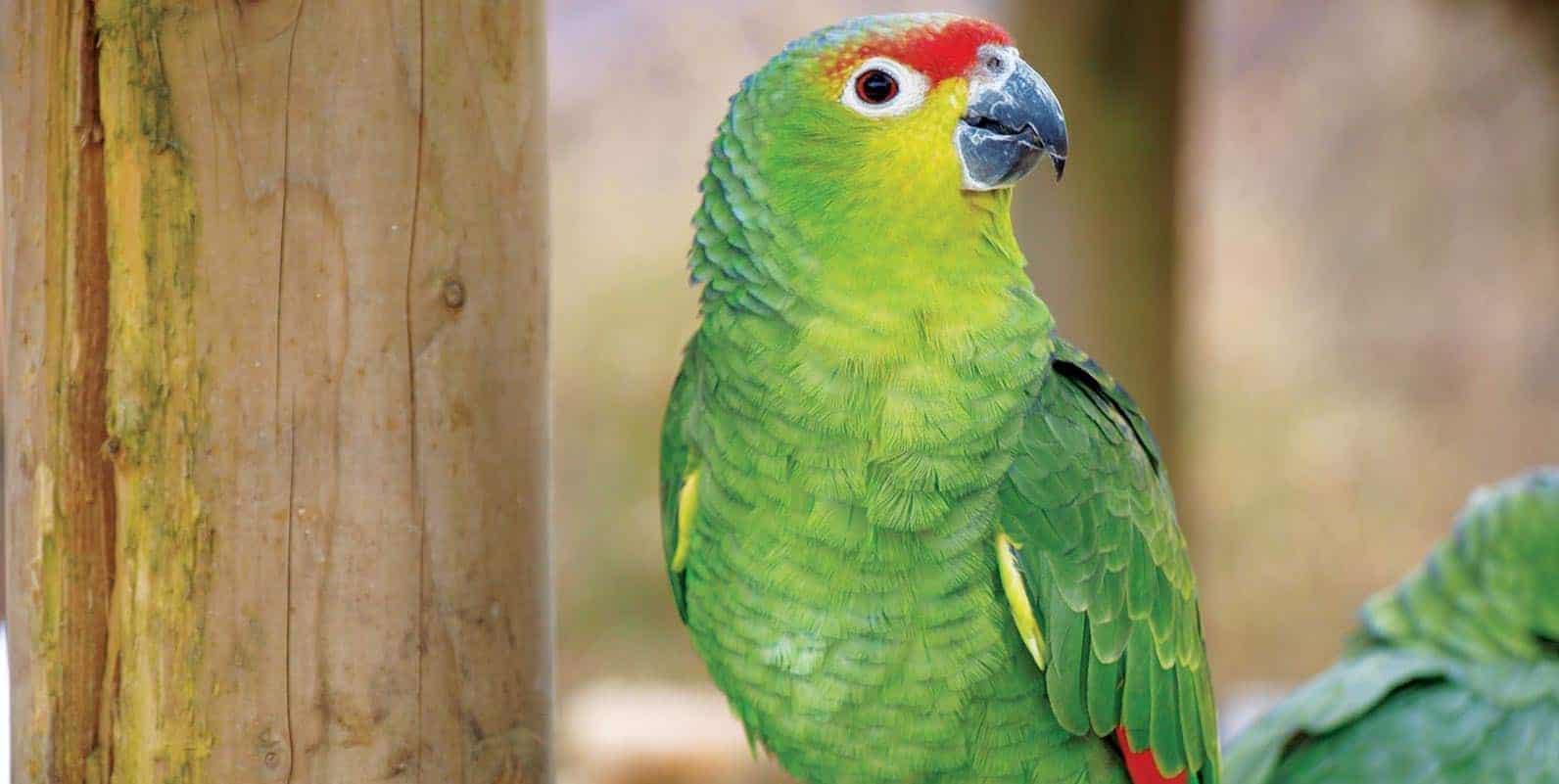
Most parrots live in large flocks, not small cages, so let’s take whatever efforts we can to provide them with the company of other birds, and to hive them heaps of attention from us and the rest of the family too. Birds who are calling, talking and singing a lot are sometimes seeking attention, so let’s ensure they have heaps of companionship
Feather Quality
This is one of the best indicators of overall health. Feathers should look healthy, and your bird should preen them often and well. When birds preen, they spread oils around their feathers which helps to keep them smooth and aligned. Preening also helps to remove dirt.
If pet birds are not carefully tending to their feathers, it should be considered a sign of illness.
If birds are not preening correctly, not only will you not notice this activity, your bird will look ruffled and ‘ratty’ in appearance, and their feathers may appear dull or dirty.
Activity Levels
Birds are cleaver and social animals, so we need to make sure we cater for their inquisitive nature. Placing their cage near the centre of activity in your home is helpful so they can be part of the daily goings-on. For some species, exercise in the form of supervised flying in the home can be great fun for your both - make sure doors and windows are closed and ceiling fans are switched off.
Bird Nutrition
Food
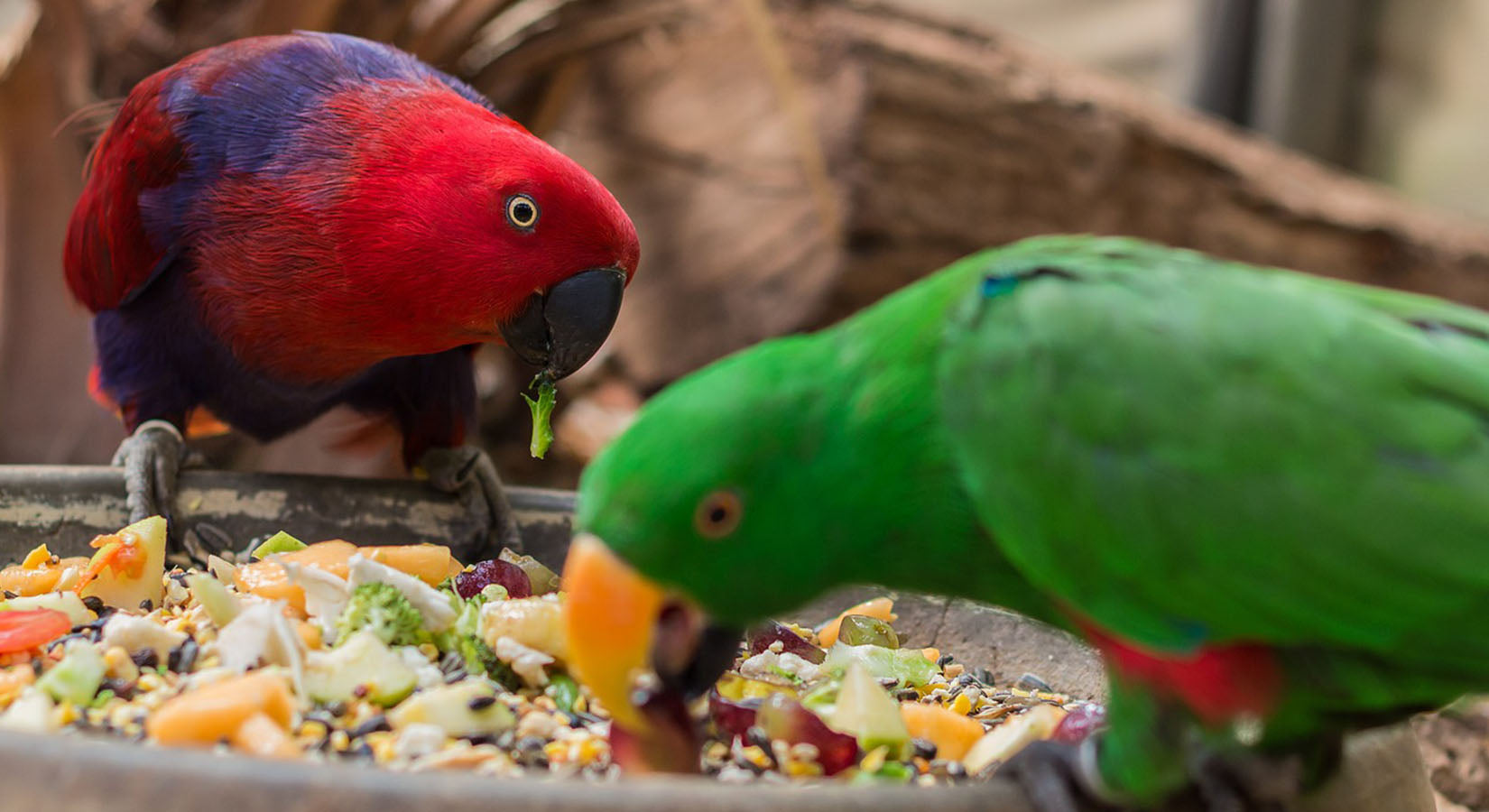
A balanced diet is the most important part of a healthy bird's life. Find high-quality food (seed or pellets) specifically formulated for your bird and particular to their species, to help keep them healthy. The seed on its own is not suitable for birds, as it is high in fat and low in vitamins (especially vitamin A).
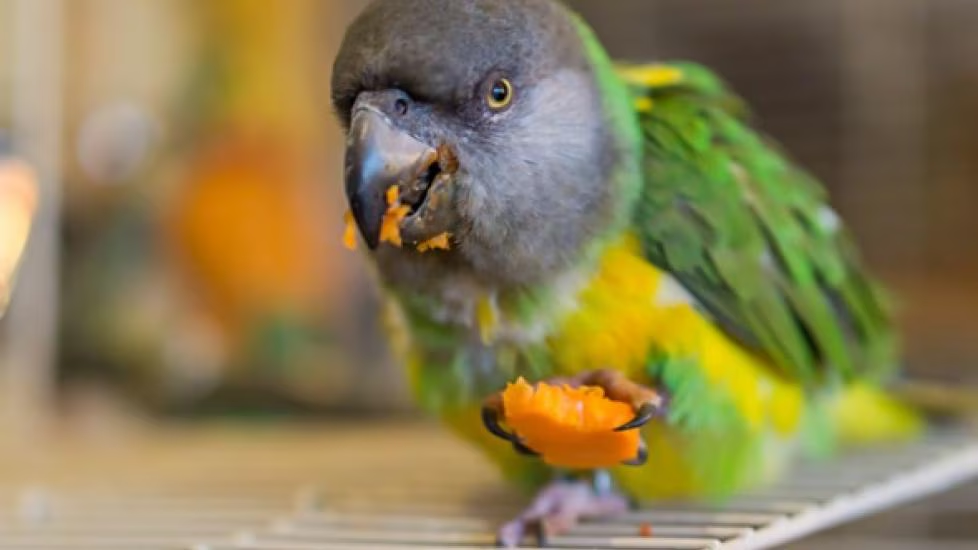
Other foods should also be offered daily - green vegetables (spinach, parsley, celery), fresh grasses, milk thistles, fresh fruits are also great.
Vitamin Supplements
Talk to your vet or pet store about supplements that your bird may need, as these are an important consideration.
Cuttlefish or Mineral Blocks
Make sure your bird is getting all the nutrients they need and that they can keep their beak in top shape by using a mineral block or cuttlefish to gnaw on.
Grit
Shell grit will help your bird's digestion, so they should be able to access it at the bottom of their cage.
Watch: Understanding Bird Nutrition - ZuPreem
https://www.youtube.com/watch?
Common Bird Health Problems
Worms, mites and lice
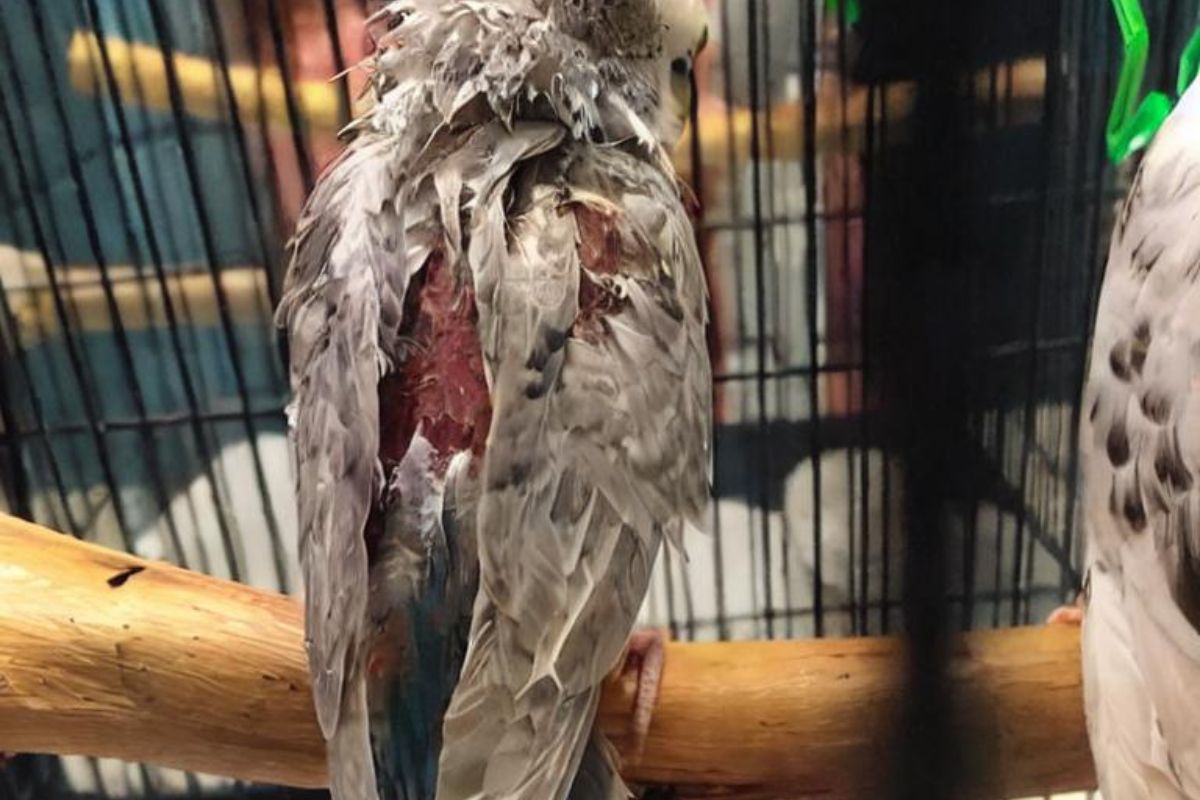
There are many types of parasites that can infect pet birds. It is always best to get an accurate diagnosis, and to be sure of the parasite involved, to ensure the correct treatment. If you suspect that your bird has a parasite problem, see your veterinarian to help treat them.
Scaly leg
Scaly leg mites are microscopic insects that live underneath the scales on a chicken's lower legs and feet.
Vitamin A deficiency
Low levels of Vitamin A in a bird's diet can make a pet bird susceptible to a range of respiratory infections, oral abscesses, kidney diseases and can also lead to decreased hatchability of eggs. Be sure to think about dietary supplementation and take advice from your pet store specialists or vet.
Watch: 8 Common Reasons Your Bird Died
https://www.youtube.com/watch?
Summary
- Pet birds can live 10-60 years and require companionship from other birds or family members, as most parrots are naturally social creatures that thrive in flocks rather than isolation in small cages.
- Healthy feather quality is a key indicator of overall bird health—birds should preen regularly to spread oils and remove dirt, while dull, ruffled, or dirty feathers signal potential illness requiring attention.
- A balanced diet is essential, including high-quality species-specific seed or pellets supplemented daily with green vegetables, fresh fruits, and grasses, as seed alone is too high in fat and lacks vital vitamins like vitamin A.
- Provide mineral blocks or cuttlefish for beak health and nutrients, shell grit for digestion, and consult veterinarians about necessary vitamin supplements to prevent deficiencies that can cause respiratory infections and other diseases.
- Common health problems include parasites (worms, mites, lice), scaly leg mites, and vitamin A deficiency, all requiring proper veterinary diagnosis and treatment to ensure long-term bird health and well-being.