Like all pets, birds need regular care and grooming. Here are a few grooming tips:
Does My Bird Need Its Wings Trimmed?
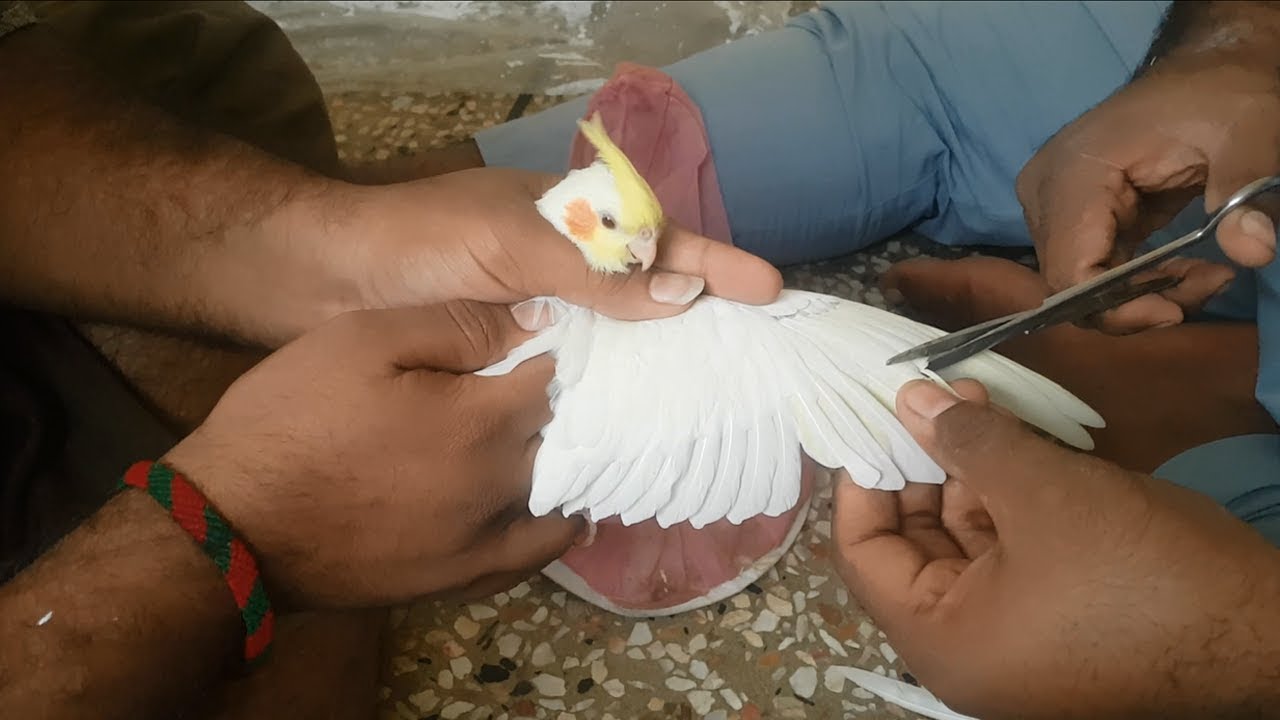
Some people choose to trim their bird's wings to prevent them from flying away, especially when they are trying to train them. It's important to have a professional do this, as trimming can hurt the bird if not done right. Because just a few millimeters of feather growth can enable a bird to fly, be sure to test the bird’s ability to fly before taking the bird outside.
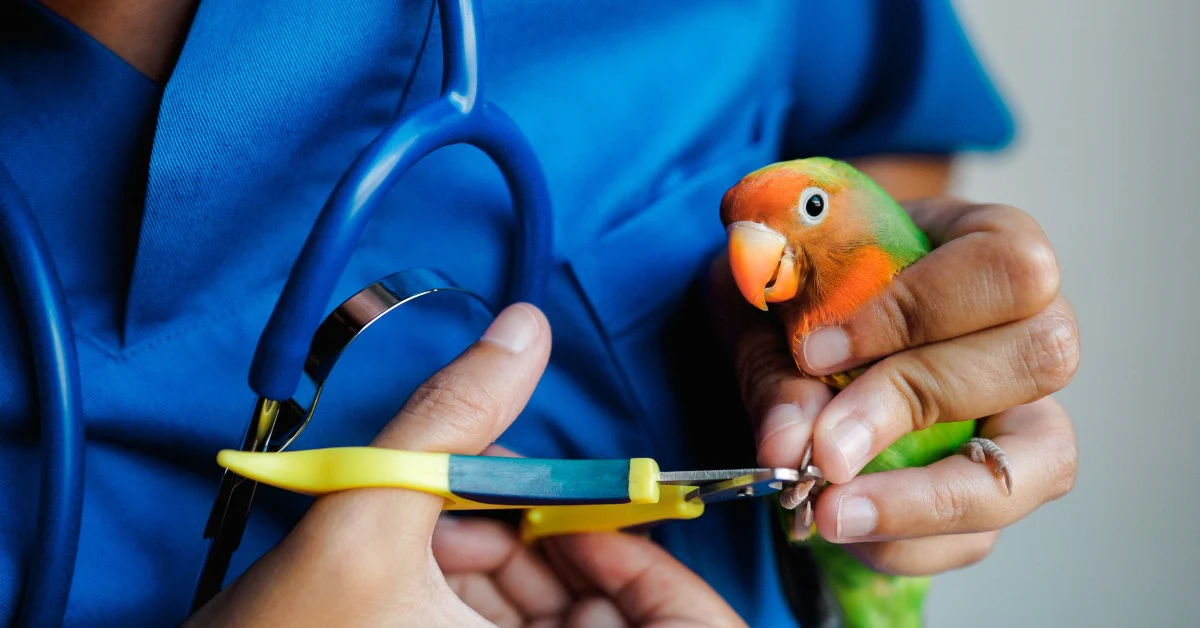
Does My Bird Need Its Nails Trimmed?
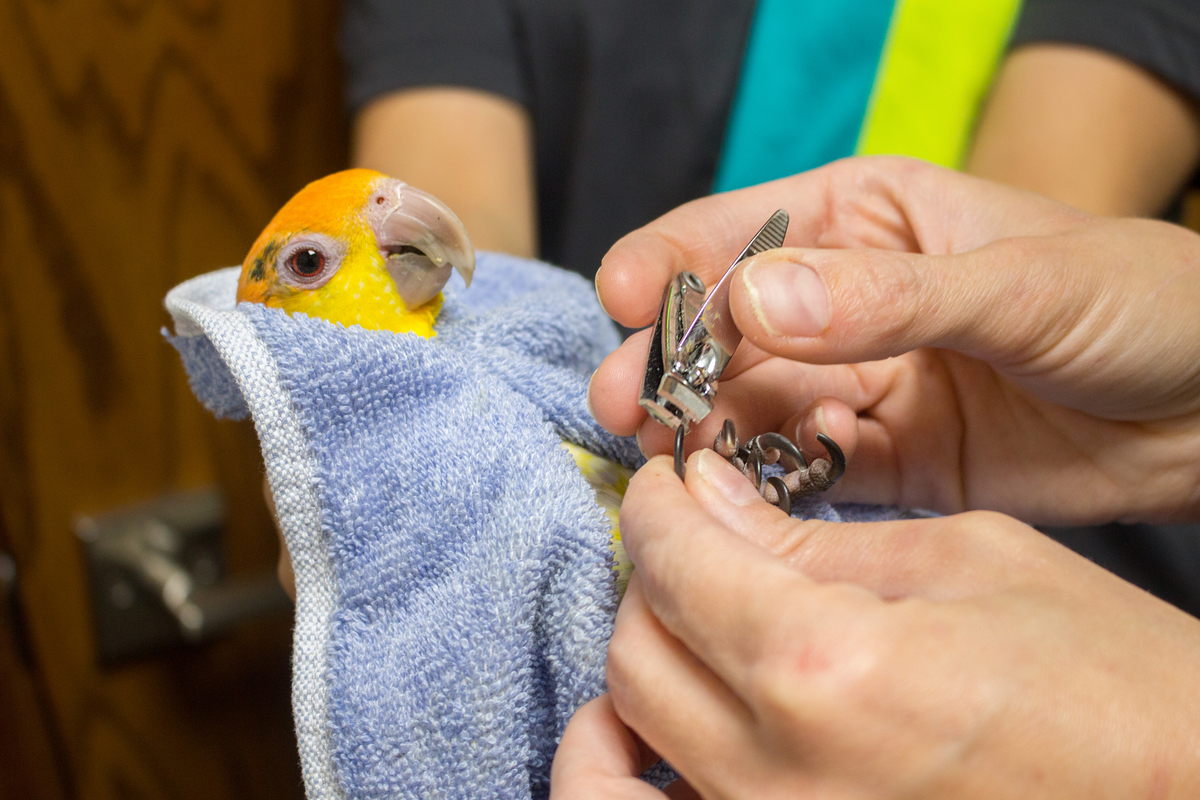
Birds’ nails can get too long if they don’t wear down on their own, so you might need to trim them. Be careful not to cut too much, as this could hurt your bird. To make nail trimming easier, you can train your bird from a young age to accept nail trims by rewarding it when you touch its feet. Providing your bird with one perch made of cement can help wear down its nails, but be sure the bird has other perches, because standing on a cement perch all the time can be rough on its feet.
Watch: How to Clip Your Bird's Nails
https://www.youtube.com/watch?
Does My Bird Need Its Beak Trimmed?
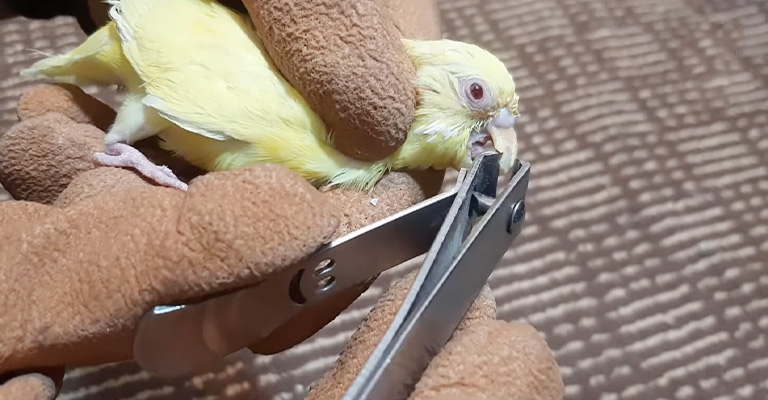
When healthy birds have things to chew on that help wear down their beaks, trimming is usually not needed. However, if the beak looks overgrown, you should take your bird to the vet.
How Can I Make It Easy to Identify My Bird?
Microchips and leg bands are ways to identify your bird. Bands are attached to birds by breeders, while microchips are inserted into the muscles over the bird’s chest and, when done by a professional, cause only minimal pain. Talk to your vet about ways you can identify your bird.
Watch: Bird Identification Mastery (The Easy Way)
https://www.youtube.com/watch?
Summary
- Wing trimming can prevent birds from flying away during training but must be done by professionals to avoid injury, and birds should be tested for flight ability before outdoor excursions as even minimal feather growth can restore flight capability.
- Bird nails require regular trimming when they don't naturally wear down, and training birds from a young age with positive reinforcement makes the process easier, while cement perches can help with wear but shouldn't be the only perch option.
- Healthy birds with adequate chewing materials typically don't need beak trimming as natural wear keeps beaks at proper length, but overgrown beaks require immediate veterinary attention.
- Bird identification through microchips (inserted into chest muscles) or leg bands (attached by breeders) helps locate lost birds, with veterinarians able to advise on the best identification method for each bird.
- Regular grooming and routine care are essential for pet bird health, and professional guidance should be sought for any grooming procedure to ensure the bird's safety and well-being.