According to Quandt and Shuter, Persians are “high-maintenance cats” with thick, long coats and flat facial features that require some extra special care.
Skin Care
Quandt suggests giving Persian cats weekly baths to prevent matting. If your cat is prone to skin infections, ask your veterinarian for a recommended shampoo, which may be a prescription formula.
Coat Care
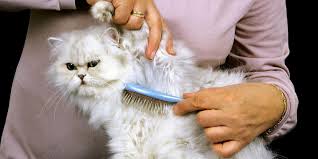
While beautiful, Persians have thick and oily coats that are prone to matting. To prevent matting, comb and brush your cat every day, making sure the teeth of the comb reach the thick undercoat. Skipping at-home grooming sessions could result in large, painful mats that require professional grooming—aka, shaving your Persian.
Eye Care
Persian cats have large, expressive, round eyes in bright colors, including copper, green, hazel, or blue. These flat-faced cats produce more tears than most other breeds, which can lead to unsightly tear stains and potentially uncomfortable, infection-prone moist fur.
To prevent these issues, Shuter recommends gently cleaning your Persian’s eyes every day. “I typically use a small cotton face cloth rinsed in warm water to wipe around the eyes and remove any visible stains,” she says. Consult your veterinarian before applying cleaners or medications near your cat’s eyes.
Ear Care
Persian cats have small, fluffy ears that tilt slightly forward. As part of their regular grooming routine, their ears should be inspected and gently cleaned if dirty. Consult your veterinarian if there are indications of an ear infection, including redness, a foul odor, or debris in the ear canal.
Summary
- Skin Care: Weekly baths help prevent matting; cats prone to skin infections may need vet-recommended or prescription shampoos.
- Coat Care: Daily brushing and combing are essential to avoid painful mats, especially in their thick and oily undercoat.
- Eye Care: Persians produce excess tears, so gently clean around their eyes daily to prevent staining and infections.
- Ear Care: Check and clean ears regularly; seek vet care if you notice redness, odor, or debris indicating possible infection.