Persians aren’t the most active cats, and care must be taken to prevent them from carrying excess weight. “Some people refer to them as lazy, but they just enjoy sleeping and sitting calmly,” says Stephen Quandt, a certified Feline Training and Behavior Specialist (CFTBS).
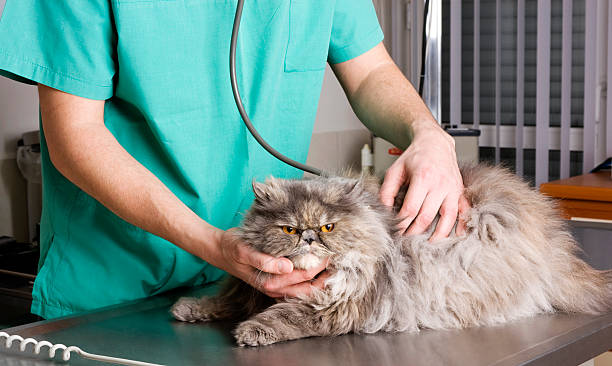
To ensure your cat's nutrition needs are met, choose complete and balanced food that meets the Association of American Feed Control Officials (AAFCO) recommendations for their life stage. Then, talk to your veterinarian about the number of calories your cat should consume, based on their lifestyle.
How To Feed a Persian
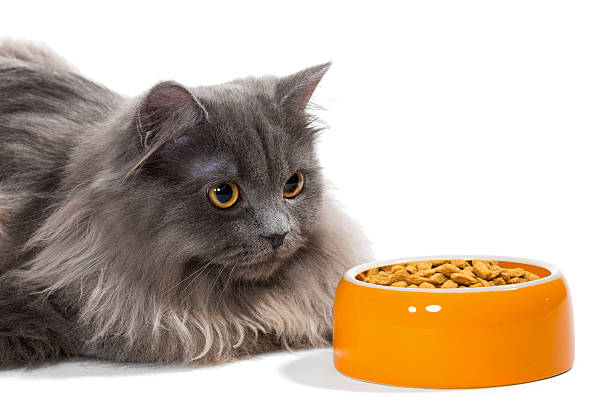
In the wild, cats hunt for small meals several times a day, so it may be most natural for indoor cats to eat two or more small meals a day. Because cats aren’t known to be good at regulating their food and calorie intake, free-feeding kitties isn’t recommended.
How Much Should You Feed a Persian?
Persian cats should be fed the appropriate number of calories based on their age, lifestyle, and ideal body condition. The World Small Animal Veterinary Association (WSAVA) provides a chart as a rough guide for the number of calories your cat should consume, based on weight. However, your veterinarian is the best source for determining the right amount of food for your cat.
If your cat becomes overweight, your veterinarian may recommend a change in diet, such as a reduction in calories or prescription weight-management food.
Nutritional Tips for Persian Cats
A complete and balanced food that meets AAFCO’s statement of nutritional adequacy will provide your Persian cat with the necessary essential nutrients, vitamins, fats, and proteins they need. In the case of health issues, your veterinarian may recommend additional nutrients such as:
- Omega Fatty acids: Omega fatty acids can improve skin and coat health, which may help alleviate or prevent common skin issues in Persian cats. If your Persian has frequent skin issues, ask your vet if additional omega fatty acids are recommended.
- Insoluble fiber: If your cat has frequent hairballs, your vet may recommend a hairball formula with ingredients such as rice hulls, pea fiber, and cellulose. These insoluble fiber sources help pull hair through the digestive tract so it doesn’t ball up in the stomach—or get coughed up onto the carpet.
Summary
- Feed complete, balanced AAFCO-approved cat food suited to your Persian’s life stage, and monitor calories with your vet to prevent weight gain.
- Offer two or more small meals daily instead of free-feeding to support natural eating habits and avoid overeating.
- Amount of food depends on age, activity level, and ideal body weight; vets may adjust diets if your cat becomes overweight.
- Persians may benefit from omega fatty acids for skin/coat health and insoluble fiber for reducing hairballs, if recommended by a veterinarian.