Persian Cat Personality and Temperament
Shuter and Quandt describe Persian cats as habitual creatures who prefer a calm and quiet lifestyle. “They’re especially susceptible to changes in the environment around them,” Shuter explains. Persians are better suited for households with older children than those with toddlers or babies.
While Persian cats can coexist peacefully with other cats and friendly dogs who don't chase or play rough, introductions to new pets should be done slowly and with care.
Persian Behavior
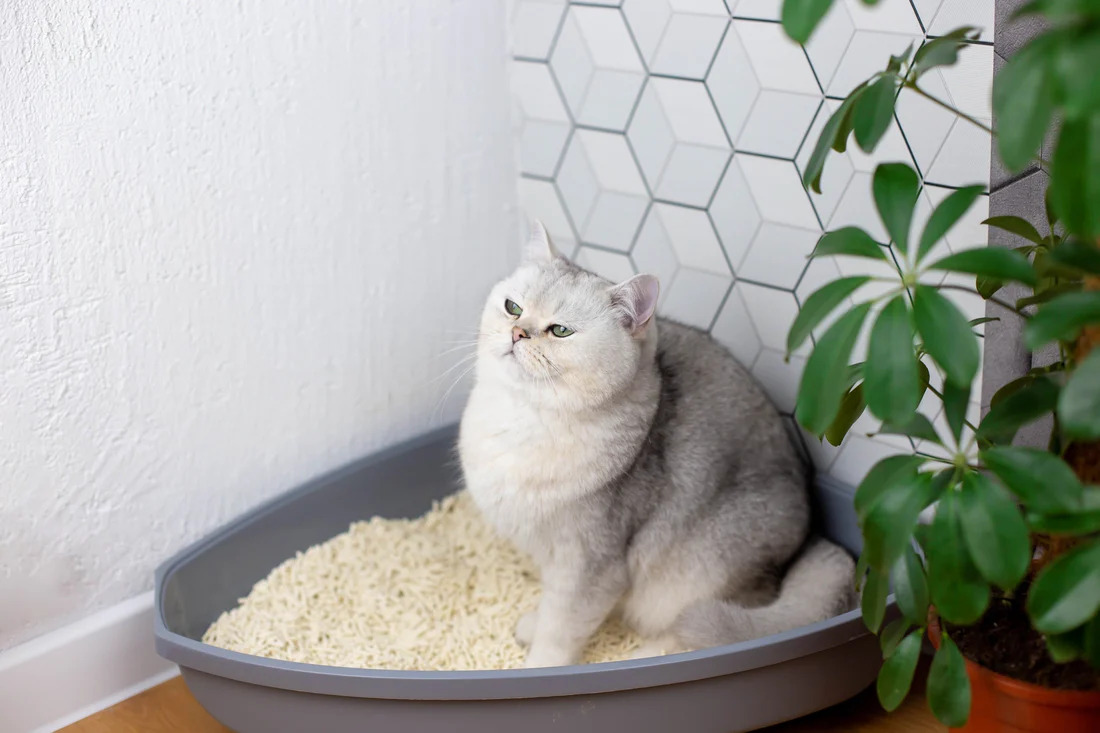
While some cats, like Siamese, are rather chatty, Persians don’t typically have a lot to say. But when they do, they have a very soft and sweet meow. Most enjoy lackadaisical play sessions rather than rambunctious ones, although playfulness may vary with age. Typically, you’ll mostly find your Persian lounging in a sunny spot or birdwatching from a window.
Persian Training
Persian cats are intelligent and can be trained to respond to cues with the help of a clicker and positive reinforcement. Like any cat, the success of training may depend on the individual cat—as well as patience and commitment from their pet parent.
Fun Activities for Persian Cats
- Sunbathing
- Lounging in their favorite bed
- Being petted
- Being groomed
- Gentle play
Summary
- Calm & Sensitive: Persians prefer quiet, stable environments and handle change poorly; they do best with older children and gentle pets.
- Low-Energy Behavior: They are quiet, soft-voiced cats who enjoy relaxed activities like sunbathing, lounging, and birdwatching.
- Trainable but Patient: Persians can learn cues using clicker training and positive reinforcement, though progress depends on the individual cat.
- Enjoy Gentle Activities: They prefer soft play, petting, grooming sessions, and calm interaction over high-energy games.