Hamsters can be cute, small, cuddly, and playful. But, to keep a hamster of your own, you will have to give some thought to feeding it properly. This can be complicated. You must provide a diverse diet for proper nutrition, without altering your hamster’s feeding regimen too frequently.
How to Feed Your Hamster
🥣 Staple Diet: Pellets as the Core
The foundation of a hamster’s diet should be a high-quality commercial hamster pellet mix rather than a seed-heavy “mueslitype” mix. Pellets are nutritionally balanced and prevent selective eating (i.e. hamsters picking only the tastiest bits and ignoring the rest), which can lead to nutritional imbalance.
Offer pellets at the recommended daily portion according to your hamster’s species and size (for many hamsters this is about 1–2 tablespoons per day) rather than large free-feeding portions.
🥬 Fresh Vegetables & Greens (Supplemental)
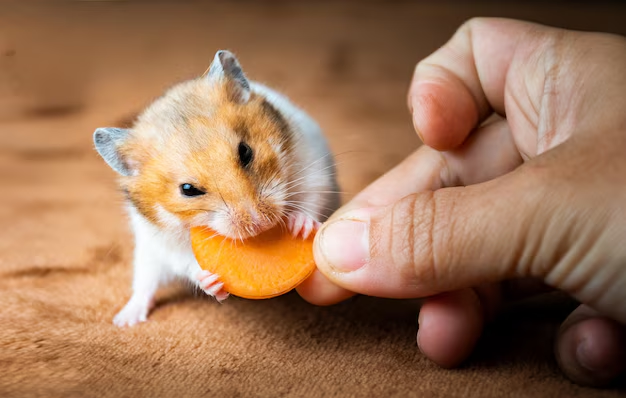
Supplement the pellet diet with small amounts of fresh, washed vegetables — leafy greens, cucumber, broccoli, zucchini, etc. Greens add vitamins, fiber, and hydration.
Only give small portions (e.g. a thumb- or bite-sized piece), to avoid upsetting their digestion. Remove any uneaten veggies after a few hours to prevent spoilage or mold, as hamsters often store food.
🍎 Fruits, Seeds, Nuts & Treats (Sparingly)
Small amounts of fruits (like apple without seeds, banana, berries), nuts (unsalted, plain), seeds or occasional protein items (hard-boiled egg, cooked plain chicken or insects/mealworms) can be offered — but only occasionally and in small quantities.
Treats should account for a small fraction of the overall diet (not more than a few percent of total intake) to prevent obesity or digestive issues.
🚫 Foods to Avoid / Use with Caution
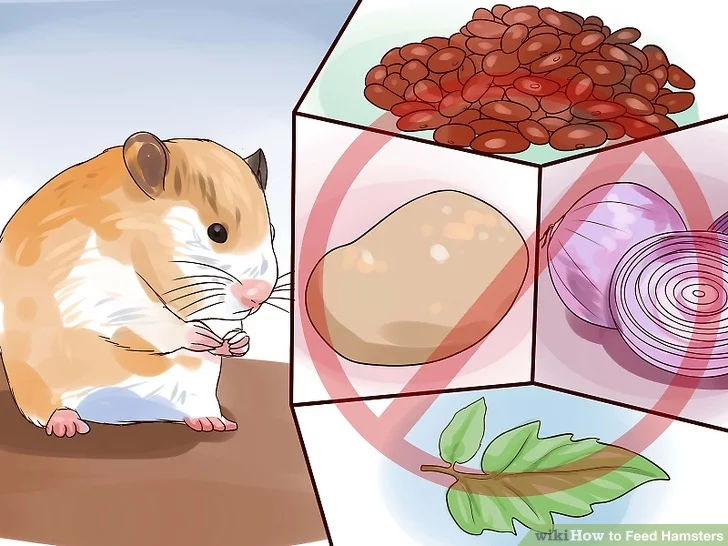
- Citrus fruits, onions, garlic, raw beans or potatoes, rhubarb, and other high-acid or toxic foods.
- Human junk food, sweets, salty or processed snacks — these are nutritionally poor and can cause health problems.
- Sticky, sharp, or overly hard foods (which can damage their cheek pouches or cause choking).
🕒 Feeding Frequency & Portion Control
Feed pellets daily (or give a measured portion rather than leaving unlimited food) to avoid overeating and obesity.
Fresh veggies or small treats can be given a few times per week — rotating variety to ensure balanced nutrients.
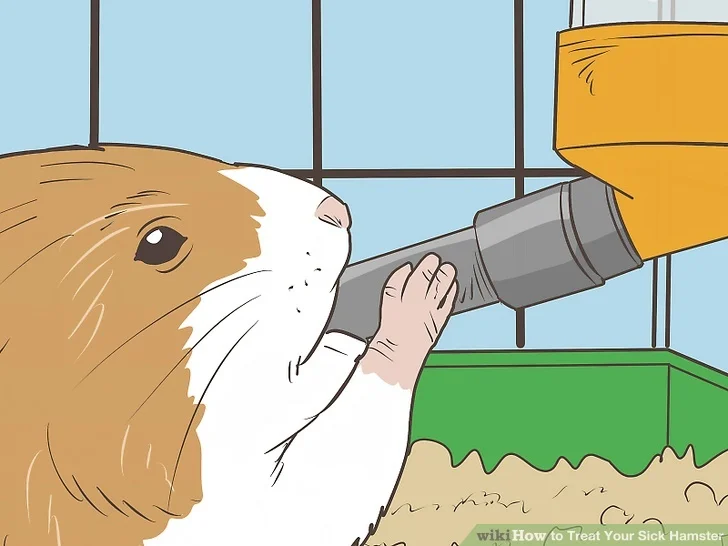
Always provide clean, fresh water available at all times. Use a water bottle or a sturdy dish and clean/refill it regularly.
Watch: How MUCH & how OFTEN should you feed your hamster?
https://www.youtube.com/TCHF0wVCg-E
Frequently Asked Questions
When is the best time of day to feed a hamster?
There is no hard and fast rule. Feeding in the evening, when the hamster is awake and most active, means that she has access to food when it's freshest. Feeding in the morning means she has access to food for a snack when she wakes sporadically during the day. While the food bowl doesn't need to be permanently full, be sure she has plenty, since hamsters have a rapid metabolism and burn calories quickly.
What's the best kind of hamster food?
Pelleted foods are better than seed mixes, as the former prevents the hamster from selective eating. The latter is the equivalent of only eating the tasty bits and leaving the healthy stuff.
On what days do you feed a hamster?
A hamster should have fresh, unspoiled food offered every day. Hamsters do hoard food, so an empty bowl does not have to be topped up. However, be sure she has food offered daily in the form of a commercial food, fresh fruit and vegetables, and an occasional treat.
Tips
- Remember to change food and water on a daily basis to ensure you have a happy, healthy hamster.
- Don't worry about your hamster 'over eating.' Hamsters (unlike most pets) do not over eat. They simply eat until their tummies are happy. :) If your hamster gains weight, this would most likely be due to over-feeding sugary treats. It can also be caused by lack of exercise.
- Clean your hamster's cage once a week. Doing so will ensure that mold doesn't begin to grow due to the stored (and forgotten) food your hamster will leave around the cage.
- You can also spread the food around and let them find it and keep a small amount of food in their bowl at the same time. Some hamsters prefer to hunt for food and it could serve as entertainment at the same time.