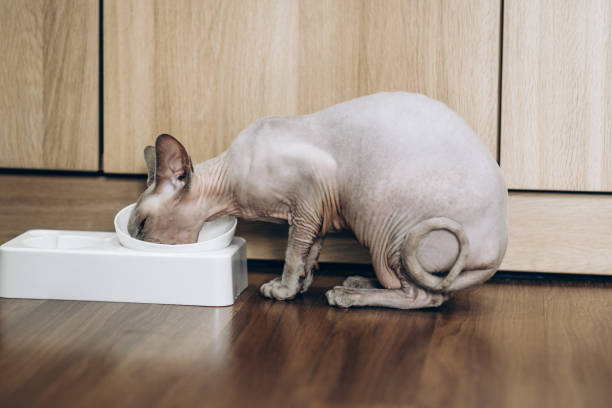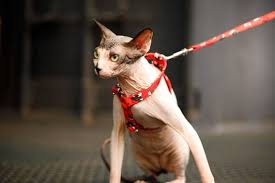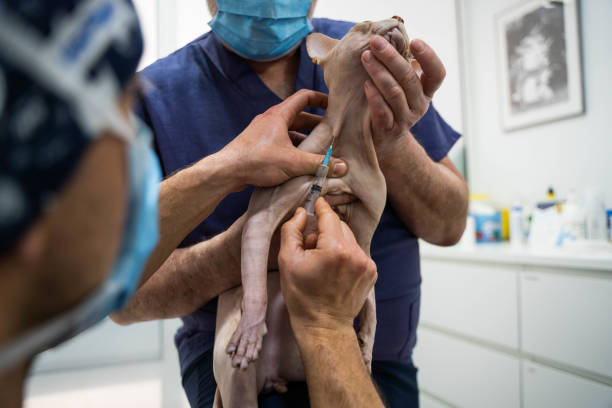
As a cat with uncommon features, a Sphynx can be affected by genetic conditions as well as secondary infections. Working with a reputable breeder who screens their cats’ health can help ensure your Sphynx has a long and healthy life. However, because they’re prone to certain health conditions, pet insurance may be beneficial for your Sphynx kitten.
Ear Infections
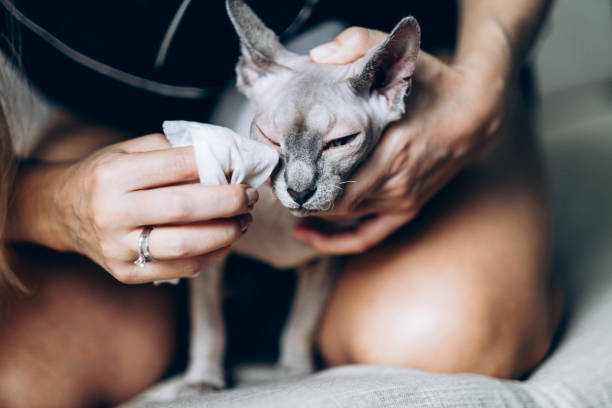
Sphynx cats have large ears, with little to no fur or ear tufts. This makes it likely they’ll accumulate more dirt, oil, and ear wax than cats that do have fur, which can cause secondary yeast and bacterial ear infections. Weekly cleaning with a good ear cleaner can go a long way to preventing infection.
Skin and Coat Disorders
Fur plays a crucial role in a cat’s well-being; it shields their skin from the sun, absorbs oily skin secretions, and prevents dirt buildup. Due to their near nakedness, Sphynxes require baths to stay clean, and to prevent secondary bacterial and fungal skin infections. But bathing them too frequently could result in overly dry skin. Talk to your vet about how often you should be bathing your Sphynx and which shampoos are best.
Dental Disease
All cats are at risk of dental disease. Brushing your cat's teeth and scheduling regular veterinary check-ups are the most effective methods of preventing oral disease.
Hypertrophic Cardiomyopathy (HCM)
While HCM is the most common heart disease in cats, it can remain undiagnosed in its early stages because there may be no apparent symptoms. But as the disease progresses, cats may experience breathing difficulties and lethargy, potentially leading to heart failure.
Because HCM can be prevented in kittens with DNA screening of the breeding stock, prospective pet parents looking to purchase from a Sphynx breeder should verify their kitten’s genetic testing results. At-home DNA kits may also detect HCM in cats before symptoms appear, and preventative measures such as echocardiograms can help catch the disease early.
Summary
- Ear Infections: Their large, hairless ears collect excess oil and debris, making regular weekly ear cleaning essential to prevent yeast or bacterial infections.
- Skin Problems: Without fur to absorb oils, Sphynx cats need routine bathing to prevent dirt buildup and skin infections—but overbathing can dry the skin.
- Dental Disease: Like all cats, they are prone to dental issues, so brushing and regular vet dental checks are important.
- Hypertrophic Cardiomyopathy (HCM): A common genetic heart disease; responsible breeders screen for it, and early detection through DNA tests or echocardiograms can help manage the condition.