
Yes, dogs can drink coconut water. However, there are some cases where your dog should avoid drinking coconut water. Also, dogs should not drink as much as humans.
As coconut water gains popularity among health-conscious humans, many dog owners wonder whether their four-legged companions can also partake. The question is both practical and important: while coconut water does contain beneficial nutrients, it is not universally safe for every dog. Understanding the advantages, risks, and guidelines surrounding this beverage ensures pet owners make decisions rooted in knowledge rather than assumption.
What Exactly Is Coconut Water?

Coconut water is the clear liquid found inside young, green coconuts. Unlike coconut milk, which is extracted from the flesh and carries higher fat content, coconut water is naturally low in calories and fat. It is rich in electrolytes—potassium, sodium, magnesium, and calcium—that help regulate hydration and bodily functions. This unique composition makes it appealing as a natural rehydration drink for humans, and potentially, as a small treat for dogs.
Can Dogs Drink Coconut Water Safely?
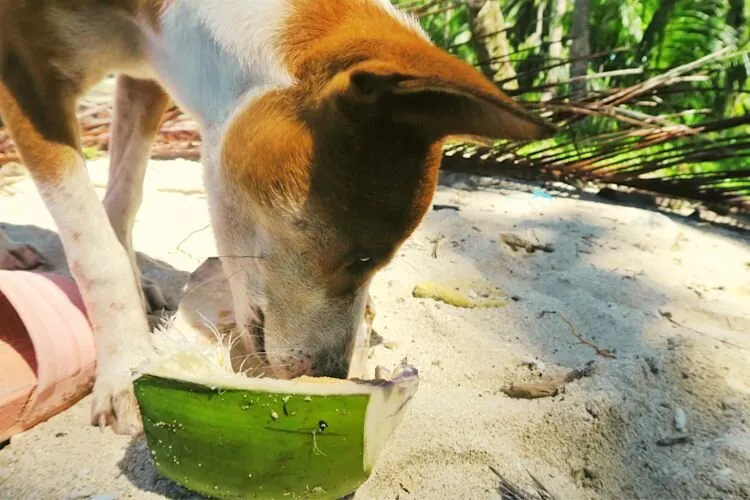
The straightforward answer is yes—dogs can drink plain, unsweetened coconut water in moderation. When offered occasionally and in very small quantities, it is not harmful to healthy dogs. However, it must never replace their primary source of hydration: clean, fresh water. Just as importantly, coconut water is unsuitable for some dogs with specific health conditions, making veterinary guidance essential.
Benefits of Coconut Water for Dogs
Electrolytes and Hydration
Feeding dogs correctly matters! Underfeeding can lead to low energy levels, poor immune function, and other problems, but overfeeding is far more common.
Coconut water is naturally abundant in potassium and contains other electrolytes that support hydration. For a dog recovering from mild exertion or simply needing a small energy boost, a teaspoon or two may help replenish electrolytic balance.
Low-Calorie Content
Unlike sugary human beverages, coconut water is low in calories and fat. For dogs prone to weight gain, this makes it a lighter alternative treat than milk-based or sugar-heavy snacks.
After Exercise or Mild Dehydration
A dog that has been active in warm weather may benefit from the mild hydration boost coconut water offers. It should, however, only be considered supplementary to plain water.
As a Refreshing Treat in Hot Climates
On sweltering days, a small splash of coconut water on kibble or frozen into ice cubes can serve as a refreshing surprise. This makes it a seasonal indulgence rather than a dietary fixture.
Watch: Coconut water benefits for dogs! 🥥💦🐕
https://youtu.be/6Nv7P0T85I8
Risks & Considerations Associated with Coconut Water

Excess Potassium Concerns
Coconut water contains significant potassium, which, while beneficial in balance, may cause harm when levels rise too high. Hyperkalemia, or elevated blood potassium, can impact heart and muscle function—posing a genuine risk for vulnerable dogs.
Gastrointestinal Upset
Even healthy dogs may experience loose stools, excessive urination, or stomach upset if given too much coconut water. Moderation is essential to prevent discomfort.
Dogs with Kidney Disease
Impaired kidneys cannot efficiently regulate potassium, making coconut water dangerous for these dogs.
Dogs with Addison's Disease
Hypoadrenocorticism (Addison's disease) already alters electrolyte balance, and introducing coconut water may worsen instability.
Dogs on Potassium-Affecting Medication
Drugs such as beta-blockers can increase potassium levels. In these cases, adding coconut water compounds the risk of hyperkalemia.
Commercial Coconut Water: A Hidden Risk

Added Sugars and Artificial Sweeteners
Many store-bought coconut waters are flavoured or sweetened. Extra sugar offers no benefit and may contribute to obesity or diabetes in dogs.
Xylitol Toxicity
Perhaps most critically, some brands include xylitol, a sweetener highly toxic to dogs. Even trace amounts can cause hypoglycemia, seizures, or liver failure. Always read labels carefully and avoid anything but pure, unsweetened coconut water.
How Much Coconut Water Is Safe for Dogs?
Many store-bought coconut waters are flavoured or sweetened. Extra sugar offers no benefit and may contribute to obesity or diabetes in dogs.
Why Coconut Water Should Never Replace Plain Water
Despite its electrolytes, coconut water cannot substitute for clean water. Dogs rely on plain water for daily hydration and temperature regulation. Coconut water, at best, serves as a supplement—never a foundation of hydration.
Best Practices for Dog Owners
Consulting a Veterinarian
Before introducing coconut water, owners should consult their veterinarian, particularly if their dog has pre-existing conditions or is on medication.
Choosing the Right Product
When cleared by a vet, always select plain, unsweetened coconut water with no additives. If uncertain, avoid packaged versions altogether and rely on fresh coconut water.
A Treat, Not a Staple
Coconut water can be a safe, occasional indulgence for dogs when given in small amounts. It provides hydration, electrolytes, and a refreshing alternative to standard treats. Yet the risks of potassium overload, gastrointestinal upset, and harmful additives make caution indispensable. Ultimately, coconut water is a novel treat, not a dietary necessity—and fresh water must remain the cornerstone of canine hydration.
Watch: COCONUT: Is it safe for your dogs? [Luckycharm Dog]
https://youtu.be/gwa0Zo9nJqs
Summary
- Dogs can safely drink plain, unsweetened coconut water in small amounts as an occasional treat, but it should never replace fresh water as their primary hydration source.
- Coconut water provides beneficial electrolytes like potassium, sodium, and magnesium that can help with mild hydration needs, especially after exercise or in hot weather.
- Excess potassium from coconut water poses serious risks for dogs with kidney disease, Addison's disease, or those taking potassium-affecting medications, potentially causing hyperkalemia.
- Commercial coconut waters often contain added sugars or xylitol—a sweetener highly toxic to dogs that can cause hypoglycemia, seizures, or liver failure even in small amounts.
- Always consult a veterinarian before introducing coconut water, choose only pure unsweetened varieties, and limit servings to very small amounts based on your dog's size and health status.